
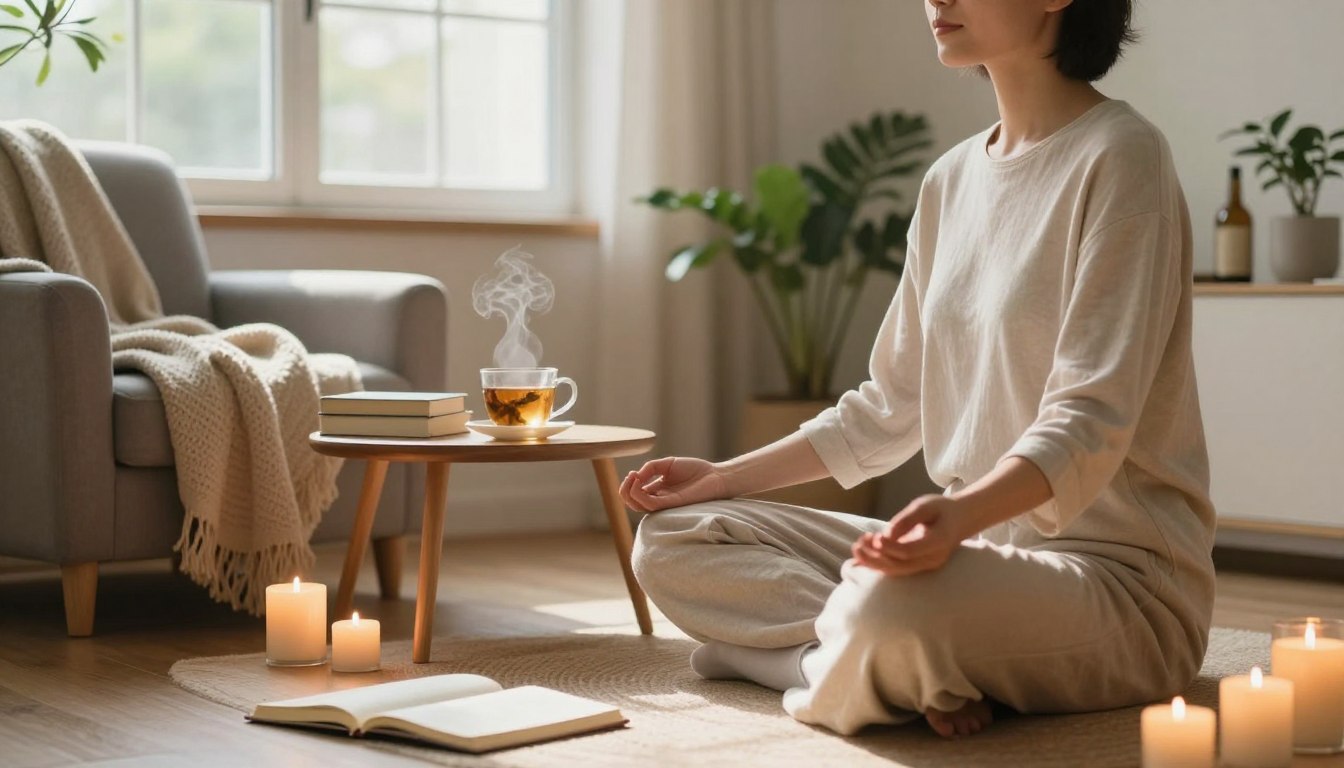
Did you know that nearly 80% of Americans report feeling overwhelmed by daily stressors, yet most never dedicate time to their inner life? This startling reality highlights a massive gap in our modern approach to health. We often focus on physical fitness while neglecting the core of our existence.
To thrive in today’s fast-paced world, you must prioritize your inner peace. Learning to cultivate emotional and spiritual wellbeing habits is the most effective way to build a balanced life. These intentional practices serve as the bedrock for long-term happiness, mental clarity, and personal growth.
By making small, consistent changes, you can transform how you interact with the world. True fulfillment starts from within, and this guide will help you take those vital first steps toward a more centered version of yourself.
Key Takeaways
- Prioritizing your inner life is essential for managing modern stress.
- Consistent daily practices lead to greater mental clarity and focus.
- Small, intentional actions create a foundation for lasting happiness.
- Personal growth requires a proactive approach to your inner state.
- Balance is achieved by nurturing both your heart and your spirit.
Essential Emotional and Spiritual Wellbeing Habits to Adopt
Building a foundation for wellness starts with small, consistent choices every day. By prioritizing emotional and spiritual wellbeing habits, you create a buffer against the challenges of modern life. These intentional actions help you stay grounded and focused on what truly matters.
Establishing Daily Mindfulness Practices
Incorporating mindfulness exercises into your schedule is a powerful way to improve your mental clarity. These mental health practices allow you to observe your thoughts without judgment. When you stay present, you reduce the noise of daily distractions.
Morning Reflection and Gratitude Journaling
Starting your day with a clear mind sets a positive tone for everything that follows. Writing down three things you are grateful for acts as a simple yet effective form of emotional self-care habits. This practice shifts your focus from what is missing to the abundance already present in your life.
Breathwork Techniques for Stress Management
When life feels overwhelming, your breath is the most accessible tool you possess. Specific stress management techniques, such as box breathing or deep belly breaths, can calm your nervous system instantly. Taking just five minutes to focus on your inhale and exhale helps you regain your composure during busy afternoons.
Nurturing Your Spiritual Growth
Developing spiritual growth practices is about finding meaning beyond your daily tasks. It involves connecting with something larger than yourself to foster a sense of purpose. This journey is unique to everyone and requires patience and curiosity.
Connecting with Nature for Inner Peace
Spending time outdoors is one of the most effective ways to quiet the mind. Whether it is a walk in a local park or sitting in your backyard, nature provides a natural reset button. The stillness found in the natural world helps you reconnect with your inner self.
Engaging in Acts of Compassion and Service
Serving others is a profound way to expand your perspective and deepen your empathy. Small acts of kindness, such as volunteering or helping a neighbor, create a ripple effect of positivity. These actions remind us that we are all part of a larger, interconnected community.
| Habit Type | Primary Benefit | Time Required |
|---|---|---|
| Gratitude Journaling | Increased Positivity | 5-10 Minutes |
| Breathwork | Stress Reduction | 3-5 Minutes |
| Nature Walks | Mental Clarity | 20-30 Minutes |
| Community Service | Spiritual Fulfillment | 1-2 Hours |
Integrating Holistic Wellness Habits into Your Routine
True balance is found when you intentionally integrate wellness into the rhythm of your everyday routine. By focusing on holistic wellness habits, you create a foundation that supports your growth and keeps you grounded. These mental health practices are designed to be flexible, allowing you to adapt them to your unique lifestyle needs.
Creating Sustainable Self-Care Routines
Consistency is the key to building self-care routines that actually last. Instead of overwhelming yourself with massive changes, start by incorporating small mindfulness exercises into your morning or evening. This approach ensures that your new habits feel like a natural part of your day rather than a chore.
Setting Boundaries for Emotional Protection
Learning to say no is one of the most effective emotional self-care habits you can adopt. When you set firm boundaries, you protect your energy from external stressors that drain your spirit. Protecting your peace is not selfish; it is a necessary act of self-respect.
“Boundaries are the distance at which I can love you and me simultaneously.”
Prioritizing Rest and Digital Detox
In our fast-paced world, constant connectivity often leads to burnout. Implementing a digital detox by turning off notifications after a certain hour allows your mind to recover. Prioritizing quality rest is essential for maintaining your long-term mental health and vitality.
Developing a Positive Mindset Strategy
Adopting effective positive mindset strategies can change how you perceive the world around you. By shifting your focus, you can cultivate a sense of inner peace that remains steady even during difficult times. This process requires patience and a commitment to your own emotional growth.
Reframing Negative Thought Patterns
When you notice a negative thought, try to pause and challenge its validity. Reframing negative thought patterns involves looking for a more balanced or constructive perspective. This simple shift helps you break free from cycles of self-doubt and anxiety.
Affirmations for Emotional Resilience
Using daily affirmations can reinforce your commitment to your wellbeing. Repeat phrases that remind you of your inner strength and capacity for growth. These positive statements act as a shield, helping you build lasting emotional resilience throughout your journey.
Conclusion
True transformation begins when you commit to your personal growth journey. Building sustainable self-care routines requires patience and deep self-compassion as you navigate your unique path.
You gain control over your daily experience by prioritizing holistic wellness habits. These small, intentional choices create a foundation for lasting peace. You will find that your ability to handle pressure improves as you apply consistent stress management techniques.
Developing positive mindset strategies allows you to view obstacles as opportunities for learning. This shift in perspective changes how you interact with the world around you. You deserve to feel grounded and centered regardless of external circumstances.
Begin your journey today by selecting one simple practice to integrate into your morning. Engaging in regular spiritual growth practices will yield profound benefits for your mental clarity. Share your progress with a friend or join a community group to stay motivated on this rewarding path.
## FAQ
### Q: How can I begin cultivating emotional and spiritual wellbeing habits if my schedule is already packed?
A: The key is to start small by integrating holistic wellness habits into your existing routine. You don’t need hours of free time; even five minutes of mindfulness exercises using an app like Headspace or Calm can significantly shift your perspective. By prioritizing these micro-moments, you establish a foundation for more extensive spiritual growth practices over time.
### Q: What are some effective stress management techniques for immediate relief?
A: When you feel overwhelmed, breathwork techniques are incredibly powerful. Methods like “Box Breathing,” famously used by Mark Divine and Navy SEALs, can quickly calm your nervous system. These emotional self-care habits act as a reset button for your brain, allowing you to navigate high-pressure situations with a clearer head and better mental health practices.
### Q: Why is gratitude journaling considered such a vital part of self-care routines?
A: Gratitude journaling—using tools like The Five Minute Journal—helps retrain your brain to scan the world for positives rather than threats. This practice is a cornerstone of positive mindset strategies, as it fosters emotional resilience and helps you maintain a sense of abundance even during challenging times.
### Q: How does a digital detox contribute to my spiritual growth practices?
A: Constantly scrolling through platforms like Instagram or TikTok can lead to comparison and mental fatigue. Implementing a digital detox is one of the most effective mental health practices to reclaim your focus. By stepping away from the screen, you create the necessary space for connecting with nature and deep reflection, which are essential for lasting inner peace.
### Q: What are some practical positive mindset strategies for reframing negative thoughts?
A: Developing a positive mindset strategy often involves active reframing and the use of affirmations for emotional resilience. Inspired by the teachings of Louise Hay, you can learn to identify “cognitive distortions” and replace them with empowering narratives. This intentional shift is a crucial part of your emotional and spiritual wellbeing habits.
### Q: Why is setting boundaries considered one of the most important emotional self-care habits?
A: Boundaries are the gatekeepers of your energy. By setting firm limits with work or social obligations, you protect the time needed for your self-care routines. Establishing these boundaries is a form of holistic wellness habits that prevents burnout and ensures you have the emotional capacity to engage in acts of compassion and service for others.